
Fashion AR - Style & Makeover
FortuneFish LtdRole Playing
4.61.36K Reviews
- Version
- 1.68.5
- Installs
- 500.00K
- Age Rating
- Everyone 10+
Screenshots
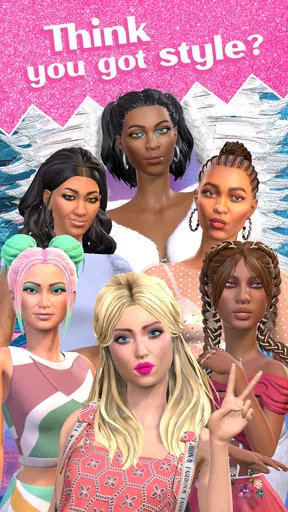

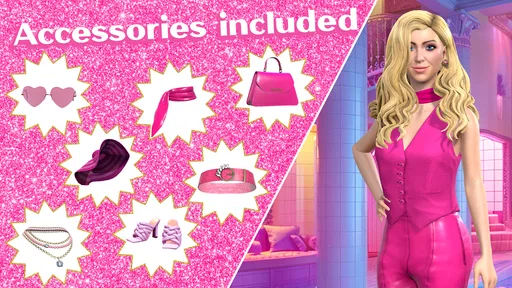

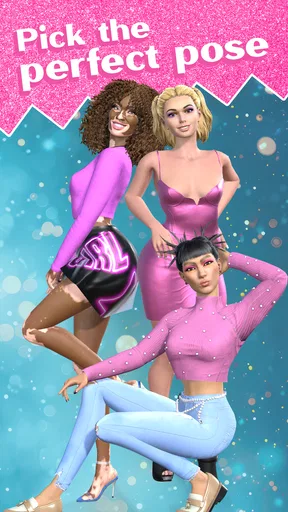

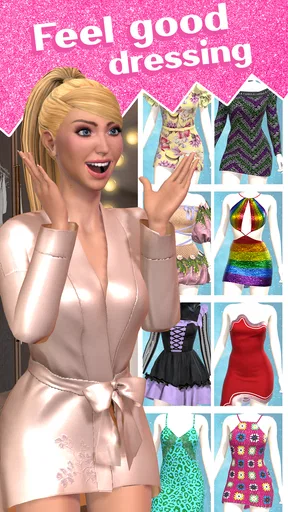
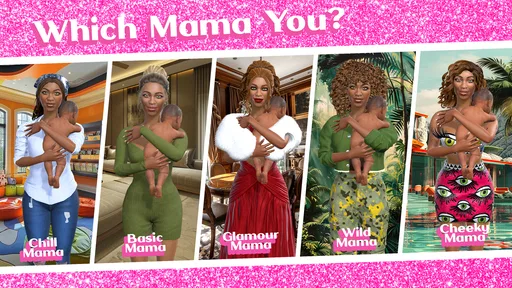
Our Review of Fashion AR - Style & Makeover
 Analysis by Appyee
I tried Fashion AR - Style & Makeover as a light role-playing game built around clothing, styling, and makeover decisions, and its appeal became clear quickly: it turns fashion coordination into a relaxed series of small creative tasks. It is not trying to replace a deep story-driven RPG or a serious design tool. Instead, it gives you a playful space to assemble looks, experiment with visual choices, and enjoy the satisfaction of making an outfit feel complete.
That makes it especially interesting on a shared household device. One person can create a look, pass the phone or tablet to someone else, and compare different ideas without needing the game to become a competitive multiplayer experience. I found that simple handoff useful because the fun is often in discussing the choices: whether a bold item improves the outfit, whether the colors work together, or whether a makeover has gone too far. The best way to approach it is as a casual creative game, not as a conventional combat-focused role-playing title.
How the fashion role-playing loop works in everyday use
I focus on the small decisions that make Fashion AR work as a casual role-playing game: choosing a style direction, seeing how the makeover comes together, and deciding whether to refine it or start fresh. That cycle is easiest to enjoy when I treat each visit as a self-contained creative challenge rather than a push toward a perfect result. From there, the useful question is what kind of feedback keeps me interested enough to play again.
A relaxed game for short styling sessions
The core experience suits short visits. I could open the game when I had a few spare minutes, make progress on a styling task, and leave without feeling that I had abandoned a complicated adventure. That low-pressure rhythm is one of its strongest qualities. It is easier to share with a child, sibling, or friend than a game that demands uninterrupted concentration or a long explanation of controls.
The fashion theme also gives each session a clear purpose. Rather than wandering through an oversized map, you are focused on appearance, presentation, and the result of a makeover. That focus keeps the experience approachable for people who enjoy dress-up games but do not want a demanding simulation. The role-playing label matters mainly in the sense of taking on the role of a stylist and making choices for a character.
In my experience, the satisfaction comes from refining a look rather than simply selecting the most noticeable item. A dramatic piece can attract attention, but it may not suit the rest of the outfit. I had better results when I treated the process like editing: establish a main idea, remove anything that competes with it, and then use smaller details to finish the presentation.
A practical shared-device scenario
Fashion AR works well in a household situation where one person owns the device but several people occasionally use it. Imagine a quiet afternoon when a younger player wants to style a character and an older family member is nearby. The younger player can make the first choices, while the other person offers suggestions or creates a second version afterward. Because the activity is visual and easy to understand, someone watching can participate without learning a complex rule system.
I would not treat this as a formal family game with built-in turn management. The useful arrangement is informal: one person plays, then hands over the device. That distinction matters because the game itself should not be assumed to separate household members, save individual progress, or protect one person’s creations from another person’s changes. If several people share one device, agree beforehand about whose session is active and avoid making changes to another player’s work without asking.
This shared approach also reveals a small trade-off. A fashion game can encourage conversation, but it can become less enjoyable if every decision turns into an argument about the “correct” outfit. I found it more rewarding to compare different styles rather than judge one as objectively right. The game is at its best when it supports imagination, not when it becomes a test of taste.
What to decide before installing it on a shared device
The game is free to install, which lowers the barrier for trying it with a household. However, free access does not mean every item or progression option is necessarily included without cost. In-app purchases range from $1.49 to $129.99 per item, so I would discuss purchasing expectations before handing the device to a child or leaving it available for casual use.
That conversation is more important than the price of the download itself. A child may understand that the game is free while still assuming that an attractive item can be selected immediately. On a shared phone or tablet, it is sensible for the device owner to handle any purchase decisions personally. I would also avoid treating a family member’s saved payment method as part of the game experience. The game can be enjoyable without turning every styling choice into a spending decision.
Another useful boundary is time. Because the styling loop is easy to revisit, a player may keep returning to adjust outfits or chase a preferred result. A simple household agreement—such as playing after homework or stopping when the device is needed for communication—works better than assuming the game will regulate the session for you. This is not a criticism of the fashion concept; it is a reminder that casual games can be particularly easy to keep opening.
Coordinating different tastes without losing the fun
When I played with another person nearby, the most productive method was to give each session a small theme. One person might aim for a coordinated, understated look while another chooses something more dramatic. That makes the comparison interesting and avoids repeatedly making random selections. It also helps a younger player learn that styling is about relationships between pieces, not just collecting the most eye-catching option.
A useful trick is to make the first outfit quickly, then review it as a whole before changing individual parts. Looking at the complete result helps reveal whether the clothing, colors, and overall mood are working together. I also found it helpful to save the most unusual choices for a second attempt rather than interrupting the first look every few seconds. This creates a clearer before-and-after comparison and makes the game feel more like a creative exercise.
For households with different ages, coordination can mean taking turns with different roles. One person selects the main clothing direction, another handles finishing touches, and a third gives an opinion at the end. This keeps the activity collaborative without pretending that the game has a dedicated cooperative mode. It is a simple way to make the title more social on one device while respecting the boundaries of the actual experience.
Age context and sensible trust
The content rating is Everyone 10+, which places the game in a broadly accessible age range while still suggesting that parents should consider whether the fashion and makeover presentation suits a particular child. I would be comfortable introducing it as a creative styling game, but I would still explain that visual choices and optional purchases are separate matters. A child can enjoy the makeover theme without being given responsibility for spending.
Trust also depends on how the device is shared. If the game is installed on a parent’s phone, the child should know which actions are allowed and which require permission. If it is on a family tablet, everyone should understand whether changing a look affects another person’s session. These are ordinary household rules, but they matter more when a game invites repeated experimentation and may be used by people with different expectations.
I would not choose this title for a child who needs a highly structured educational app, a game with a strong narrative, or a clearly separated personal profile. Its value is creative and recreational. It can encourage discussion about colors, presentation, and personal taste, but that benefit comes from how the household uses it rather than from treating it as a formal learning program.
Where it stands beside other casual fashion games
Compared with a traditional role-playing game, Fashion AR is much lighter on exploration, combat, character statistics, and long-term narrative investment. That is a strength if you want a quick creative activity, but a weakness if you expect the progression depth associated with larger RPGs. I would not recommend it to someone looking for tactical battles, a large fantasy world, or a story that carries the experience from one chapter to the next.
Compared with a simple dress-up app, it feels more game-like because the styling process is framed as a sequence of decisions rather than an empty wardrobe screen. The difference is subtle but important. You are not only placing clothes on a character for a screenshot; you are engaging with the idea of becoming a stylist and completing a makeover-oriented task. Still, players who want unrestricted design tools may prefer a dedicated fashion editor with fewer game-style constraints.
It also occupies a different space from social fashion platforms. I would not install it expecting a community feed, a competitive ranking culture, or a way to coordinate real-world outfits with friends. Its strongest use is personal experimentation or an informal shared-device activity. That narrower purpose makes it easier to understand, but it also means the game may feel limited once you have exhausted the novelty of styling for its own sake.
Performance expectations and device fit
The game supports devices running Android 8.0 or later, so anyone using an older Android phone should check compatibility before planning a shared installation. On a supported device, the main consideration is not learning the controls but deciding whether the screen is comfortable for visual selection. A larger tablet can make the clothing and makeover details easier to compare, while a phone is more convenient for quick sessions.
The current version is 1.68.5, and I would keep the app updated through the normal store process rather than relying on an old installation. That is particularly sensible on a shared device, where several people may assume they are seeing the same available experience. Updates can also affect how smoothly the game behaves, so an older device may provide a less comfortable experience than a newer one even when both meet the operating-system requirement.
Storage and battery habits are worth considering in practical use, although I would not install the game on a device that is already struggling with space or performance. The visual nature of fashion games means that browsing and comparing items is central, so a slow or cramped device can make the experience feel more frustrating than it should. If the household tablet is also used for schoolwork or work calls, I would give those tasks priority rather than treating the game as the default activity.
Small choices that improve the experience
My first recommendation is to avoid selecting every new item immediately. A smaller, deliberate wardrobe can make styling decisions clearer than a crowded collection. Start with one defining piece, then choose supporting items that match its mood. This approach is more satisfying than tapping through options without a plan, and it gives each makeover a recognizable direction.
My second tip is to use the game as a comparison exercise. Create one look based on coordination and another based on contrast, then decide which one communicates the intended personality more effectively. This turns a short session into a useful creative challenge and works particularly well when two people are sharing the device. It also prevents the game from becoming a repetitive search for the same safe combination.
Third, I would separate experimentation from purchasing. Try to understand what kind of style you actually enjoy before considering an optional item. Since individual in-app purchases can reach $129.99, impulse decisions deserve extra caution. In a household, the person who owns the payment method should remain the decision-maker, and younger players should not be encouraged to treat paid items as necessary for a successful makeover.
Finally, take screenshots outside the game only if the device owner is comfortable with that use and the character presentation is appropriate for the intended audience. The most valuable part of the experience is often the discussion around a look, not the need to publish it. Keeping that distinction clear helps the game remain a private creative pastime rather than an unwanted source of pressure.
Who will enjoy it, and who should skip it
I think the game is a good match for players who enjoy dress-up, makeovers, color coordination, and short sessions with a visible result. It is also suitable for a household that wants a low-stakes activity two people can discuss while taking turns. Someone who likes trying several visual directions before settling on a favorite may get more from it than someone who wants a single optimal strategy.
I would skip it if your main goal is a deep role-playing campaign, competitive online play, or a realistic fashion-design workflow. It is also not my first choice for a child who needs independent access to a carefully separated account or a device where purchases must be tightly controlled without household supervision. The game can fit into a family routine, but the boundaries have to come from the people using the device.
The free entry point makes experimentation easy, while the optional purchase range means I would not leave spending decisions ambiguous. That balance is central to my recommendation: try the creative loop first, decide whether it holds your attention, and only then consider whether any optional content is worth buying. There is no reason to spend simply because the game presents an attractive item.
My household verdict
After spending time with it, I see Fashion AR - Style & Makeover as a friendly, focused fashion game rather than a full-scale RPG. FortuneFish Ltd has built its appeal around styling and makeovers, and the result is easiest to appreciate when you want a visual activity that can be picked up, paused, and discussed. Its average rating is 4.6 from around 15K ratings, and it has passed 500K installs, which fits the impression of a game that has found an audience among casual fashion players.
The age rating of Everyone 10+ makes it a reasonable candidate for a family device, but not a reason to ignore supervision. I would set expectations around shared progress, device access, and purchases before installing it for several people. The game does not need to become a source of conflict: clear turn-taking and a rule that adults handle payments are enough to protect the relaxed quality that makes it appealing.
My final recommendation is positive for the right player. If you want to style characters, compare outfit ideas, and enjoy a makeover loop without committing to a long adventure, this free role-playing game is worth trying. If you want story depth, competitive systems, or a private multi-user setup, another category of game will serve you better. For a shared household session built around creativity and conversation, though, it offers a pleasant way to turn a spare few minutes into something everyone can contribute to.
Verdict
Strengths of Fashion AR - Style & Makeover
- Try virtual outfits and makeup without changing your real appearance.
- Useful for exploring new looks before shopping or visiting a salon.
- AR previews make style experimentation more interactive and engaging.
- Can inspire outfit combinations for different occasions and seasons.
- Quick visual changes are convenient for casual style discovery.
Limitations of Fashion AR - Style & Makeover
- AR tracking may be less accurate in dim lighting or cluttered surroundings.
- Some looks or customization options may require in-app purchases.
- Virtual results may differ noticeably from real clothing or makeup.
- Extended camera use can increase battery consumption on mobile devices.
- The app may need camera and photo permissions to provide its main features.
Similar Picks in This Category
View All
Hair Dye
CrazyLabs LTD4.4

Monster High™ Beauty Salon
CrazyLabs LTD4.5

Bus Simulator - Bus Games 3D
Jima Apps4.4

Flight Pilot: 3D Simulator
Wildlife Studios4.1


Super Stylist Fashion Makeover
CrazyLabs LTD4.4
Frequently Asked Questions
What is Fashion AR - Style & Makeover?
Fashion AR - Style & Makeover is a beauty and styling app that lets you experiment with different fashion looks using augmented reality and digital makeover tools. Depending on the available features and device compatibility, you can try hairstyles, makeup, outfits, colors, and accessories virtually before deciding which style suits you best. It is designed for casual experimentation, inspiration, and sharing personalized looks.
How does the augmented reality feature work in Fashion AR - Style & Makeover?
The app generally uses your device’s camera to detect your face or body and place virtual fashion or beauty elements over the live image. For the best results, use the app in a well-lit environment, keep your face visible, and hold the phone steadily. The accuracy can vary depending on lighting, camera quality, pose, and the specific AR effect selected, so some overlays may not align perfectly.
Is Fashion AR - Style & Makeover free to download and use?
Fashion AR - Style & Makeover may be available as a free download, but some features, premium styles, advanced effects, or additional content can require in-app purchases or a subscription. Advertising may also be included in the free version. Before confirming a purchase, review the pricing, renewal terms, and trial conditions shown in the relevant app store, since availability and costs can differ by country and platform.
What permissions does Fashion AR - Style & Makeover require?
Because the app relies on virtual try-on and makeover functions, it may request access to your camera, photos, or media files. Camera access is normally needed for live AR effects, while photo access may be required to edit an existing image or save a completed look. You can manage these permissions in your Android or iOS settings and deny any access that is not necessary for the features you plan to use.
Is Fashion AR - Style & Makeover suitable for all devices and users?
The app is intended for users interested in fashion, beauty, styling, and virtual makeovers, but the experience may differ between Android and iOS devices. AR features usually work best on newer phones with compatible cameras and sufficient performance. Parents should also review the app’s age rating, advertising, sharing options, and purchase settings before allowing children or teenagers to use it independently.
Play our best games!


